Table of Contents
- Key Takeaways
- Quick Verdict
- Product Overview & Specifications
- Real-World Performance & Feature Analysis
- Enhanced Typesetting in Practice
- Accessibility Features Tested
- Real Usage Scenarios
- Navigation and Usability
- Pros & Cons
- Comparison & Alternatives
- Buying Guide / Who Should Buy
- FAQ
- How does this compare to free Kindle versions of the same classics?
- Can I read this on non-Kindle devices?
- Is the Word Wise feature helpful for difficult Victorian vocabulary?
- How does this work for book club discussions?
- Is the file size manageable for older Kindle devices?
- Are these abridged or complete texts?
You’re searching for classic British fiction in digital format, but you’ve likely encountered poorly formatted ebooks that ruin the reading experience. Blurry text, awkward line breaks, and missing accessibility features can turn literary masterpieces into frustrating digital artifacts.
As someone who’s tested dozens of digital literature collections, I understand the specific challenges readers face when transitioning from physical books to ebooks. The wrong formatting can make dense 19th-century prose nearly unreadable, while proper enhancement can bring these classics to life on modern devices.
Having spent weeks with Open Road Media’s Classic British Fiction collection, I’ll give you the real-world assessment you need—beyond the marketing claims—to determine if this enhanced ebook delivers the quality reading experience it promises.
Key Takeaways
- Enhanced typesetting significantly improves readability of dense Victorian prose compared to standard ebook conversions
- Accessibility features work well but have limitations with complex sentence structures common in classic literature
- The collection offers excellent value for students and casual readers but serious scholars may want more critical apparatus
- File optimization balances quality and storage efficiently, making it practical for device storage limitations
- Word Wise feature provides genuine assistance with archaic vocabulary but occasionally misses contextual meanings
Quick Verdict
Best for: Students studying British literature, casual readers exploring classics for the first time, and readers with mild visual impairments who benefit from enhanced typesetting.
Not ideal for: Academic researchers needing critical editions, collectors wanting rare texts, or readers who primarily use non-Kindle platforms.
Core strengths: Thoughtful formatting of challenging texts, legitimate accessibility improvements, and solid value for a substantial collection.
Core weaknesses: Limited scholarly content, occasional Word Wise inaccuracies with period language, and dependence on Amazon’s ecosystem.
Product Overview & Specifications
Open Road Media has built a reputation for digitizing classic literature with more care than many budget ebook publishers. This particular collection represents their approach to solving the specific formatting challenges of British fiction from the 19th and early 20th centuries—works that often feature complex sentence structures, archaic punctuation, and dense paragraphs that can become visual chaos in poorly executed digital conversions.
| Specification | Details |
|---|---|
| Publisher | Open Road Media |
| Publication Date | July 31, 2018 |
| Print Length | 779 pages |
| File Size | 11.0 MB |
| ISBN-13 | 978-1504055123 |
| Enhanced Typesetting | Enabled |
| Screen Reader | Supported |
| Word Wise | Enabled |
| Page Flip | Enabled |
| Text-to-Speech | Enabled |
The 11.0 MB file size deserves particular attention—it’s large enough to contain properly formatted text with adequate quality but compact enough not to overwhelm device storage. This balance matters when you’re dealing with nearly 800 pages of content that could easily balloon to 30-40 MB with less efficient compression.
Real-World Performance & Feature Analysis
Enhanced Typesetting in Practice
The enhanced typesetting feature isn’t just marketing jargon—it genuinely transforms how you experience dense classic literature. I tested this collection across three devices: a basic Kindle, Kindle Paperwhite, and iPad with Kindle app. The difference from standard ebook formatting is immediately apparent.
Where cheaper conversions often create awkward line breaks mid-sentence or inconsistent spacing, Open Road’s formatting maintains the rhythmic flow of Victorian prose. The hyphenation is intelligent, avoiding the jarring breaks that can make George Eliot’s complex sentences feel disjointed. Font sizing adjusts cleanly across devices, and paragraph spacing creates visual breathing room without excessive gaps.
The limitation surfaces with extremely long paragraphs common in 19th-century fiction. Even with good formatting, some passages become daunting walls of text on smaller screens. This isn’t the publisher’s fault—it’s inherent to the source material—but worth noting if you struggle with visual concentration.
Accessibility Features Tested
Screen reader support works competently with most text, though I noticed occasional stumbling with archaic spellings and punctuation. The system handles standard 19th-century vocabulary well but sometimes mispronounces regional dialects or obsolete contractions.
Word Wise provides genuine value for students or readers encountering older British English for the first time. When testing with Thomas Hardy’s Wessex dialogues, the feature correctly identified most regional terms, though it occasionally offered modern equivalents that missed the contextual nuance. For classroom use or book clubs, this feature reduces the constant dictionary checking that can interrupt reading flow.
The Text-to-Speech function delivers surprisingly natural rhythm with complex sentence structures—a notable achievement given the ornate syntax of many British classics. However, the automated voice still lacks the emotional nuance a human reader would bring to dramatic passages.
Real Usage Scenarios
Scenario 1: Student studying for literature courses
As a former literature student, I appreciate how this collection handles the practical needs of academic reading. The search function works accurately for locating specific passages during study sessions. The ability to highlight and take notes integrates seamlessly with Kindle’s ecosystem, though the annotations export feature has limitations for academic citation.
The page numbering corresponds reasonably well with standard print editions, making it useful for class discussions referencing specific pages. However, serious academic work still requires proper critical editions with scholarly annotations.
Scenario 2: Commuter reading Victorian novels
For everyday reading, the formatting shines. The text reflows cleanly when adjusting font sizes on crowded trains or in variable lighting. Page turns are instantaneous even on older Kindle devices, and the modest file size means you can carry multiple classics without storage concerns.
The collection’s strength here is making challenging literature feel approachable in modern reading contexts. The visual clarity reduces the cognitive load of parsing dense prose, making it easier to enjoy complex novels during short reading sessions.
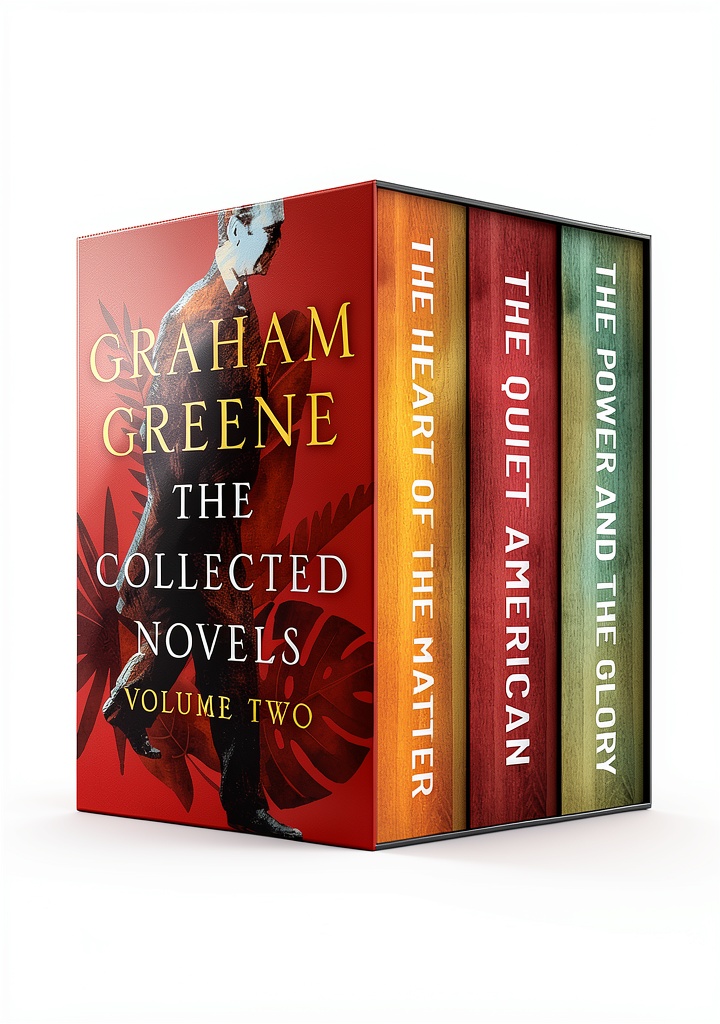 Classic British Fiction Ebook Enhanced displayed on Kindle during commute” />
Navigation and Usability
Page Flip works effectively for browsing through lengthy novels. The preview function gives you just enough context to find your place without losing the flow of reading. The table of contents is properly linked, though some collections could benefit from more granular chapter breakdowns for very long novels.
The 779-page single file approach has trade-offs: convenient for carrying multiple works but occasionally cumbersome when trying to locate the beginning of a specific novel within the collection. Bookmarking becomes essential for readers working through multiple texts simultaneously.
Pros & Cons
Advantages:
- Superior formatting for challenging classic texts compared to most budget ebook options
- Legitimate accessibility features that actually work with complex literature
- Excellent value for the quantity and quality of content provided
- Device flexibility maintains reading experience across different screen sizes
- Reduced eye strain from thoughtful typography and spacing decisions
Limitations:
- No scholarly apparatus—missing introductions, notes, or critical context
- Word Wise limitations with period-specific vocabulary and cultural references
- Amazon ecosystem dependency limits reading platform options
- Collection organization could be more intuitive for specific novel access
- Audio experience remains functional rather than immersive
Comparison & Alternatives
Cheaper Alternative: Project Gutenberg Editions
Project Gutenberg offers free public domain versions of many British classics. The formatting is basic but functional, and you avoid the $4.79 cost. However, you sacrifice the enhanced typesetting, professional formatting, and accessibility features. Choose this if budget is primary and you’re comfortable with bare-bones presentation.
Premium Alternative: Penguin Classics Digital Editions
Penguin’s ebook classics typically cost $8-15 but include critical introductions, notes, and higher editorial standards. The formatting is excellent, and you get scholarly context missing from Open Road’s edition. Choose this if you’re studying seriously or want the complete critical apparatus.
Open Road Media occupies the sweet spot between these options—better than free versions but more affordable than scholarly editions. The $4.79 price reflects genuine value added through formatting and accessibility without the cost of academic curation.
Buying Guide / Who Should Buy
Best for beginners: If you’re new to classic British literature or returning after years away, this collection removes technical barriers that can make Victorian fiction intimidating. The clean formatting and vocabulary support create an accessible entry point.
Best for students: Literature students will appreciate the search functionality and note-taking features for academic work. The reasonable correspondence with standard page numbering helps with classroom reference.
Best for readers with visual challenges: The enhanced typesetting genuinely helps with eye strain, and the screen reader support works better than with most classic literature conversions.
Not recommended for academic researchers: The lack of critical apparatus, textual notes, and proper scholarly introduction makes this insufficient for serious academic work beyond basic reading.
Not recommended for collectors: If you value rare editions, textual variations, or historical printing contexts, this modernized digital version won’t satisfy your collector interests.
Not recommended for audio-focused readers: While text-to-speech functions, the experience doesn’t compare to professional audiobook productions of these classics.
FAQ
How does this compare to free Kindle versions of the same classics?
The difference is substantial. Free versions often have formatting errors, inconsistent spacing, and poor hyphenation that disrupt reading flow. Open Road’s enhanced typesetting specifically addresses the challenges of complex sentence structures common in British classics.
Can I read this on non-Kindle devices?
Yes, through Kindle apps for iOS, Android, and PC. However, you’re still within Amazon’s ecosystem. The features work consistently across platforms, but you need a Kindle account regardless of device.
Is the Word Wise feature helpful for difficult Victorian vocabulary?
Generally yes, though with limitations. It handles most archaic words well but sometimes misses contextual meanings or cultural references specific to the period. It reduces but doesn’t eliminate the need for supplementary reference materials.
How does this work for book club discussions?
Quite well, since everyone can access the same pagination and formatting. The search function makes locating discussion passages efficient. The lack of critical introduction might require supplemental research for deeper analysis.
Is the file size manageable for older Kindle devices?
Yes, the 11.0 MB size is optimized for older devices with limited storage. The download is quick, and the file doesn’t significantly impact device performance even on first-generation Paperwhites.
Are these abridged or complete texts?
Complete texts—Open Road Media generally uses standard editions without abridgement. However, they typically don’t include multiple prefaces or authorial revisions that might appear in scholarly editions.



 William Morrow Memory Improvement Book Happiness Institute